Coaching · and a forthcoming book
A Navigator's Operating System for Leaders
Turning the instruments of sea navigation into a daily practice for running a business, a family, and a life.
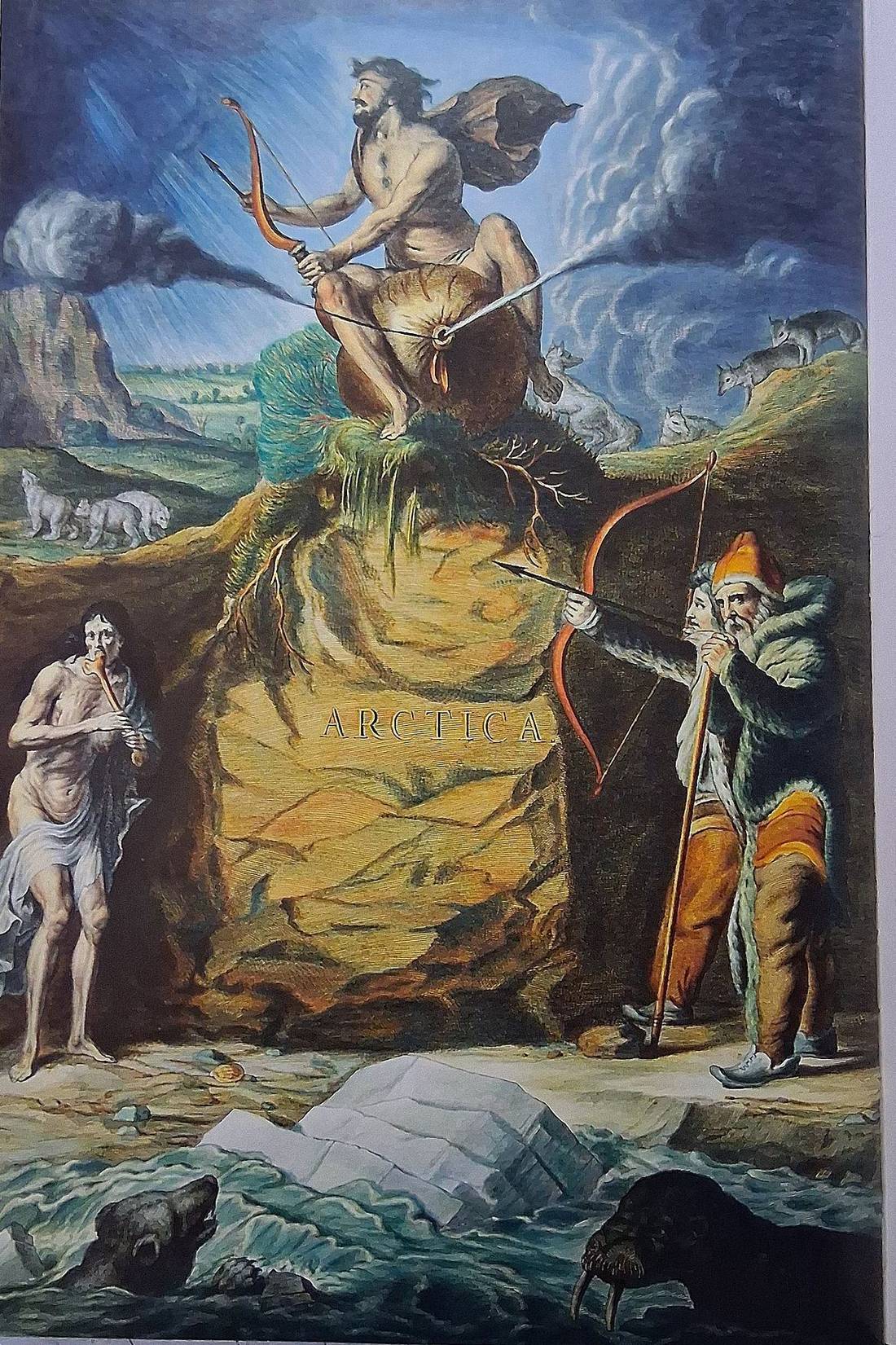
Turning the instruments of sea navigation into a daily practice for running a business, a family, and a life.
"For years I steered by feeling — busy, confident, and off course. No fix, no log, no bearing. Memory and momentum feel like navigation — right up until the fog. This is the practice that changed my heading."
Activity without a position is just motion. The harder you row, the farther off course you drift.
What got you here won't get you there. Navigating by past success is sailing by yesterday's stars.
Not a new system — a return to the oldest discipline in leadership: know where you are before you decide where to go.
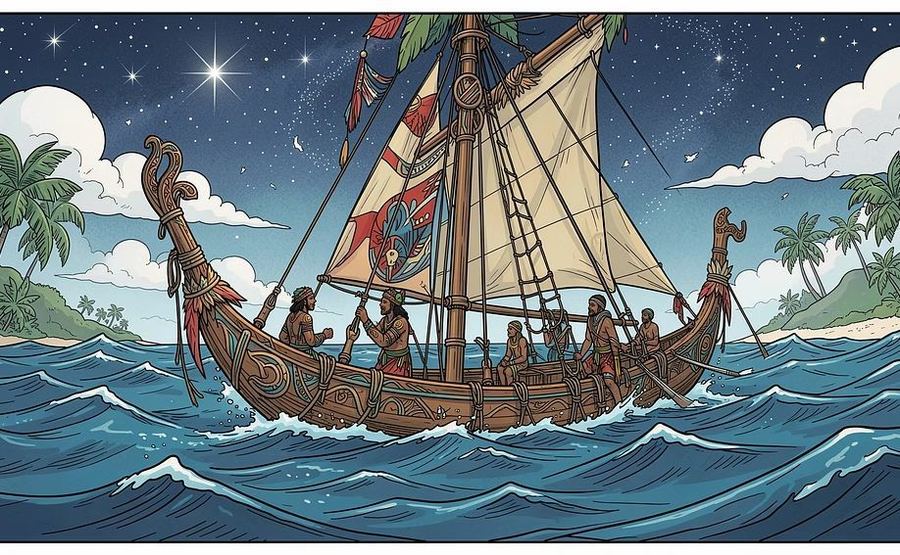
Ancient Polynesian navigators crossed thousands of miles without instruments — reading patterns in the swell, the clouds, and the stars as one integrated system.
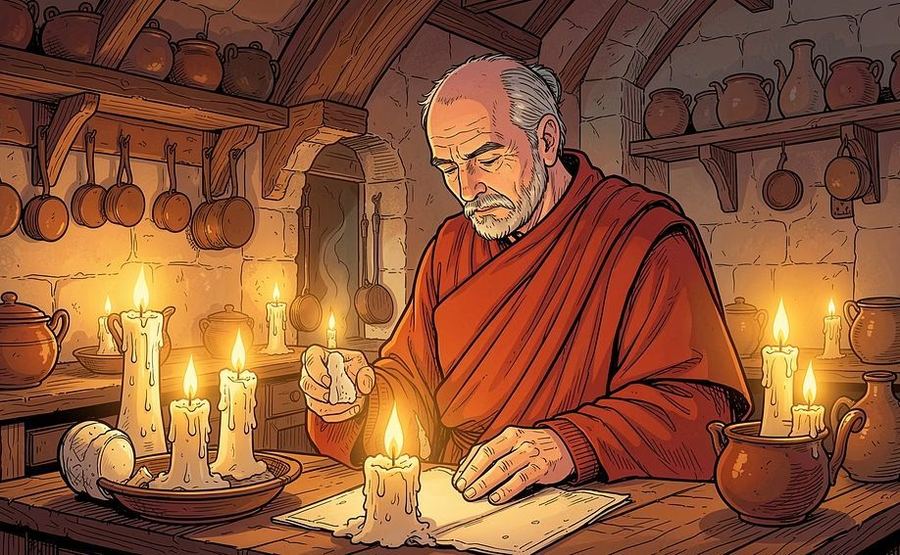
Brother Lawrence, a 17th-century monastery cook, found the presence of God in a noisy kitchen. The navigator's discipline is the same: find your clarity in the storm, not after it.
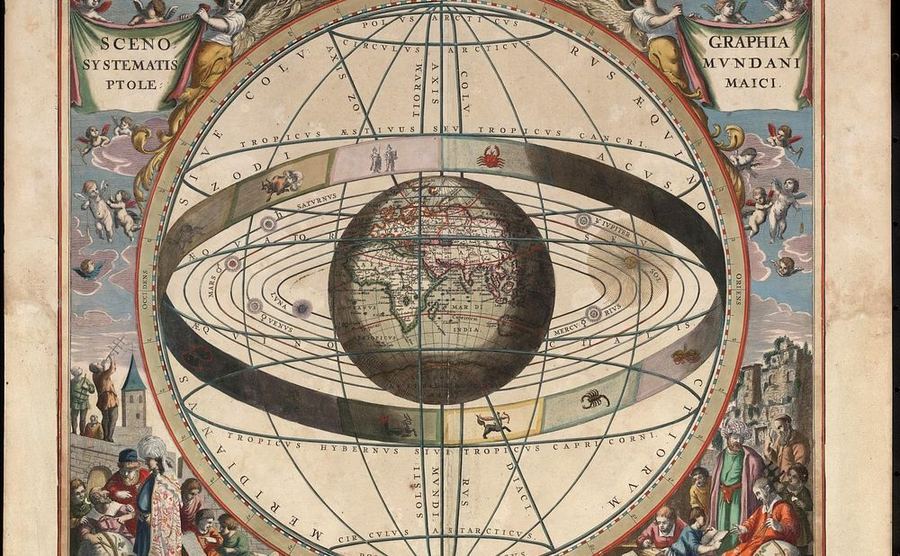
You cannot control the ocean. But you can always know your position and make adjustments. That is enough to make the crossing.
In maritime tradition, the noon position is part of the vessel's bookkeeping: position, speed, distance made good, set and drift — every day at local apparent noon. A life deserves the same record.
If you cannot recall your lessons, you cannot build on them. Write the position down, and the mind is free to sail the ship.
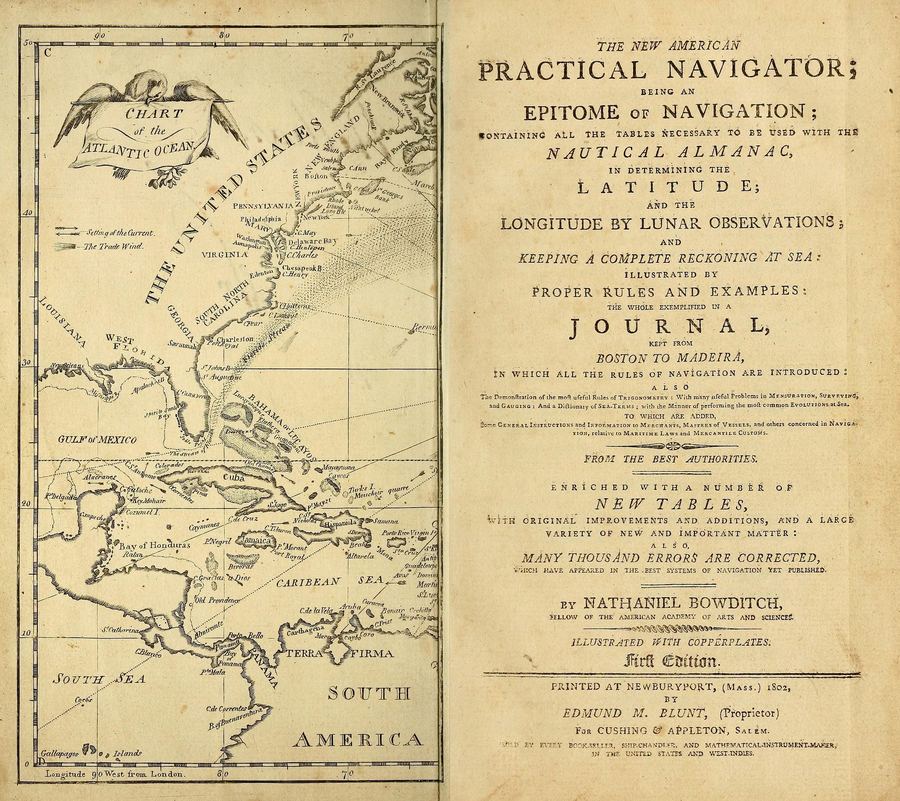
The simplest and most vital technique in navigation: measure the sun at its highest point, and you know exactly where you are. Every leader needs the same thing — one deliberate moment each day to check progress against the voyage plan.
Set is the direction a current pushes you. Drift is how fast. These are the unseen forces — old patterns, old fears, organizational inertia — that move you off the course you are steering.
A navigator doesn't take the current personally. It isn't failure; it's seamanship. Name the current, measure it, and correct for it every watch.
If you lose your peace, you lose your clarity. If you lose your clarity, you make poor decisions. The sequence is reliable and the consequences are compounding.
An anchor is for the harbor — no sailor drops the hook in the open sea. What a vessel does mid-ocean, when the weather is more than she can drive through, is heave to: set the sails against each other, lash the helm, and let opposing forces hold her steady while the crew recovers.
Build your safe harbors on the calendar — the standing commitments that shelter you. And learn to heave to mid-passage: stop, hold steady, take your bearings. Then fill away and sail.
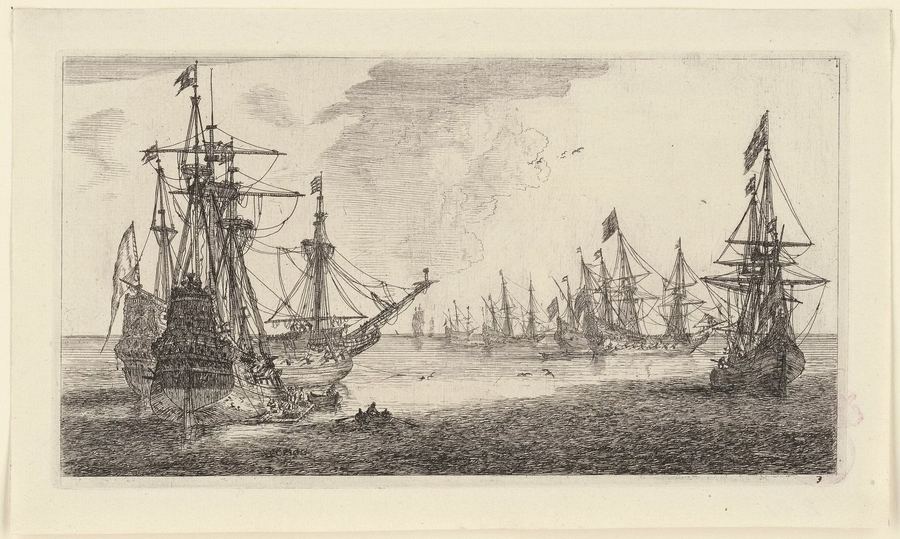
Transformation is not an innate condition. It is the daily work of tracking your coordinates. The forthcoming book — narrative nonfiction built from real instruments, true sea stories, and a life navigated the hard way first — puts the whole system in your hands.
Leave your email to hear when it sails.
I work with a small number of leaders directly. If that interests you, write me.
The noon sight doesn't wait. Your position is always knowable.